My Cart

Top LS Engine Swap Wiring Mistakes and How to Avoid Them

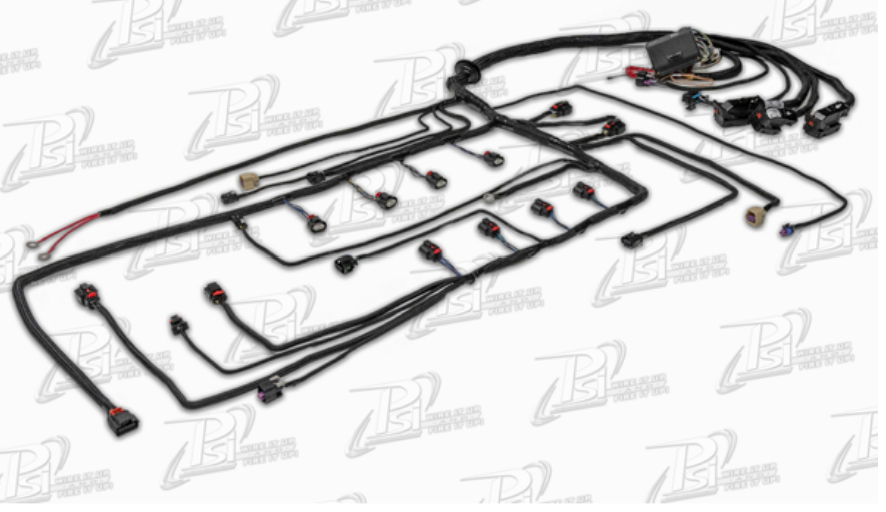
Swapping an LS engine into a vehicle offers a mix of modern performance and classic reliability. However, even experienced builders can make wiring mistakes that lead to costly problems and wasted time. An LS engine swap involves far more than simply fitting the engine under the hood, the wiring must match the engine generation, sensor layout, and transmission setup precisely.
Using the wrong harness, skipping key connections, or installing low-quality components can cause a range of issues, from failed startups to long-term electrical damage.
PSI Conversion manufactures American-made LS and LT swap standalone wiring harnesses made for reliability and proper fitment. Each harness is computer-tested, built from GM-spec TXL high-temperature wire, and assembled with Delphi connectors for true factory-grade performance.
Understanding the most common wiring mistakes is the first step to ensuring your LS swap runs the way it should.
Not Identifying the Correct LS Engine Generation
Every LS engine generation, Gen II, III, IV, and V, has unique wiring configurations. Using a harness that doesn’t match your engine generation is one of the most frequent causes of swap failure.
Each generation uses different crank and cam sensor locations, injector types, and throttle body connections. For example, Gen III engines rely on a 24X reluctor wheel and use EV1 or Multec injectors, while Gen IV engines operate on a 58X reluctor wheel and EV6 injectors.
Meanwhile, Gen V engines such as the LT1,L83, and LT4 feature direct injection and high-pressure fuel rails below the intake manifold. Installing the wrong harness for the generation results in incorrect sensor readings, misfires, and poor performance.
Before purchasing a wiring harness, confirm your engine generation by checking the crank sensor color, throttle body connector type, and intake manifold style. PSI Conversion provides an LS VIN Decoder and Component ID Guide that helps users verify their engine generation accurately before installation.
Using Low-Quality or Generic Wiring Harnesses
Generic or low-cost wiring harnesses often lead to long-term reliability issues. A wiring harness must endure heat, vibration, oil, and fuel exposure inside the engine bay.
PSI Conversion harnesses are made with TXL high-temperature wire and new GM Delphi connectors, ensuring OEM-level durability and resistance to heat and corrosion.
Inferior harnesses may use recycled connectors, poorly soldered joints, or thin wire insulation. Over time, these components break down and cause intermittent electrical failures. PSI Conversion avoids these issues by sonic welding all wire splices, eliminating the risk of loose connections.
Choosing a harness that is computer-tested with Dynalab or Cirrus testing equipment guarantees consistent quality across every product.
Mismatching the Transmission Configuration
Many installers forget that wiring harnesses differ depending on whether the setup uses a manual or automatic transmission. LS swaps require specific connections for transmission control modules, throttle position sensors, and shift solenoids.
For instance, a harness designed for a T56/TR6060 manual transmission differs from one meant for a 4L60E or 4L80E automatic transmission. Using a manual harness on an automatic engine setup can lead to no-start conditions, transmission communication errors, or missing gear control.
When selecting a harness, always match both the engine generation and transmission type. PSI Conversion offers standalone harnesses preconfigured for each combination, such as:
- 03–07 Gen 3 LS (24X) drive-by-wire manual transmission harness
- 07–14 Gen 4 LS/Vortec (58X) automatic transmission harness
- 14+ Gen V LT1 or LT4 automatic/manual harness
This precision ensures that all connectors and wiring align perfectly with your transmission sensors and control units.
Skipping Grounding and Power Distribution Checks
One of the simplest but most damaging errors in LS wiring is improper grounding. A poorly grounded harness can cause erratic sensor readings, ECU malfunctions, and charging issues.
Each PSI Conversion harness includes clearly labeled grounding points and power distribution lines that must be connected to clean metal surfaces.
Using painted or rusted areas for grounding leads to high resistance and unstable electrical performance. Proper grounding is particularly critical when integrating modern ECUs or standalone controller kits, as these rely on stable voltage for sensor calibration and fuel injection timing.
Always test voltage at the ECU and coil power terminals before finalizing the install. Simple continuity testing during installation prevents many electrical problems that could otherwise take hours to diagnose after the engine is in place.
Ignoring ECU Compatibility and Calibration
A mismatch between the ECU (Engine Control Unit) and the wiring harness can result in failed startups and incorrect fuel or spark mapping. PSI Conversion’s engine controller kits include the correct ECU, wiring harness, and sensors for Gen III, IV, and V engines.
Attempting to repurpose an ECU from a different engine generation is a common mistake. For example, a Gen IV ECU expects 58X crank signals, while a Gen III ECU reads 24X. This difference alone prevents ignition synchronization.
Additionally, forgetting to have the ECU properly programmed is another frequent issue. PSI Conversion provides PCM programming and HPTuners support, ensuring that every controller kit is optimized for the intended engine and transmission setup.
Overlooking Sensor Compatibility
Different LS generations use various sensor connectors and signal types. Mixing sensors from different models without verifying compatibility disrupts critical functions like fuel metering, throttle response, and idle control.
For example, installing a Gen IV camshaft sensor into a Gen III engine can cause the ECU to misread cam position due to signal variance.
PSI Conversion provides harnesses built to GM specifications, with factory-correct connectors that match each sensor precisely.
Always cross-check your sensors before connecting them to the harness. Using mismatched or aftermarket sensors without validation leads to incorrect readings and poor drivability.
Poor Harness Routing and Protection
Routing errors during installation can result in melted wires, electrical shorts, or sensor disconnections. LS engines generate significant heat, and the wiring must be secured away from exhaust headers, moving pulleys, and sharp edges.
Each PSI Conversion harness is built using high-temperature TXL wire insulation, allowing it to withstand harsh conditions under the hood. However, proper installation still requires attention to harness layout. Avoid over-tightening zip ties, as this can pinch wires and cause breakage over time.
Installers should also use protective loom tubing and grommets when passing wires through firewalls or metal panels. Maintaining neat routing improves accessibility during maintenance and enhances long-term reliability.
Forgetting to Test Before Final Assembly
Skipping pre-start testing is another costly mistake. Once the harness is installed, it should be tested before bolting down major components or adding fluids.
PSI Conversion tests each harness with computer equipment before shipping, but verifying connections after installation is equally essential. Conduct basic electrical tests, checking ignition, fuel pump, and sensor power, to confirm full communication between the ECU and engine components.
Testing early prevents the frustration of discovering electrical faults after everything is assembled. It also saves time that would otherwise be spent dismantling parts to locate a missed connector or crossed wire.
Neglecting to Plan for Accessory Integration
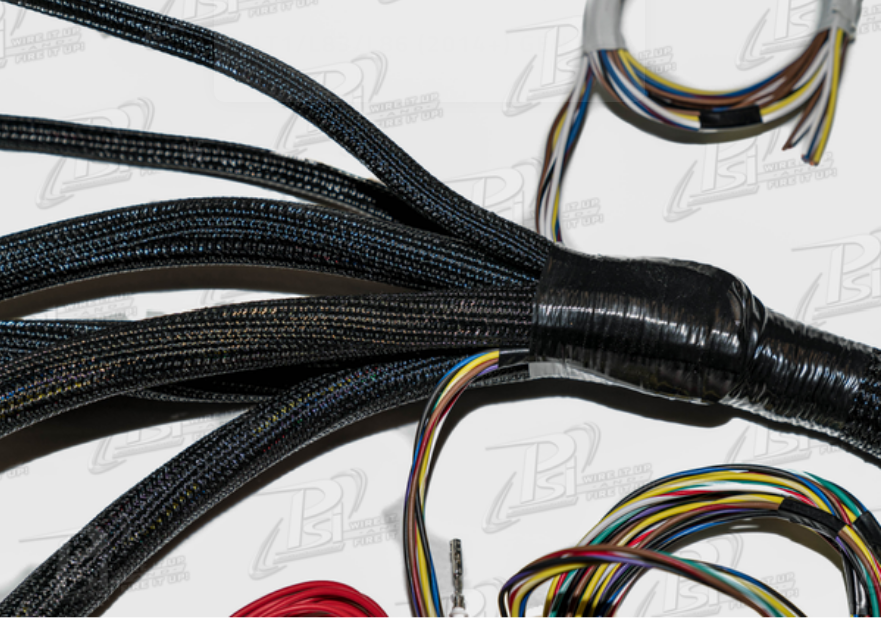
Many installers focus only on engine and transmission wiring, forgetting about accessories like gauges, A/C, and fans. PSI Conversion offers support for accessories such as Vintage Air A/C, Dakota Digital gauges, and Holley products, ensuring full vehicle integration.
When wiring the harness, plan how these accessories will connect to the power system and ECU. Skipping this step often leads to missing signals for coolant temperature or RPM displays. Using compatible accessory modules ensures seamless communication between the ECU and auxiliary systems.
Final Thoughts
Wiring an LS engine swap is a precise task that requires matching the correct components, routing carefully, and testing thoroughly. Most problems arise from mismatched harnesses, poor-quality materials, or rushed installations.
Choosing a high-quality, American-made harness from PSI Conversion minimizes these risks by providing OEM-level connectors, computer-tested reliability, and compatibility across all LS and LT engine generations.
Avoiding these common mistakes ensures that your LS swap performs as intended, delivering smooth starts, consistent power delivery, and lasting reliability. Taking time to identify your engine generation, verify your sensors, and confirm all ECU connections will save hours of troubleshooting later.
FAQs
What happens if I use the wrong harness for my LS engine?
Using the wrong harness causes sensor mismatch and improper ECU communication. Each generation has unique connectors and signal types, so using an incorrect harness prevents the engine from starting or running correctly.
Are PSI Conversion harnesses compatible with both automatic and manual transmissions?
Yes. PSI Conversion offers specific harnesses for both automatic and manual setups. Matching your transmission type ensures the harness includes the right connectors for all sensors and control modules.
Why is grounding important in LS swap wiring?
Grounding ensures stable voltage and accurate sensor readings. Poor grounding leads to erratic ECU behavior, faulty sensors, and electrical noise interference.
Can I modify a harness myself to fit a different LS generation?
It’s not recommended. Each LS generation uses specific sensors and pin configurations. Modifying a harness manually increases the risk of failure. It’s best to use a properly built harness from a verified manufacturer like PSI Conversion.
Does PSI Conversion test their harnesses before shipping?
Yes. Every PSI Conversion harness is computer-tested using Dynalab or Cirrus equipment to verify correct continuity and function before being shipped to customers.