My Cart

The Complete LS Swap Wiring Harness Buyer’s Guide

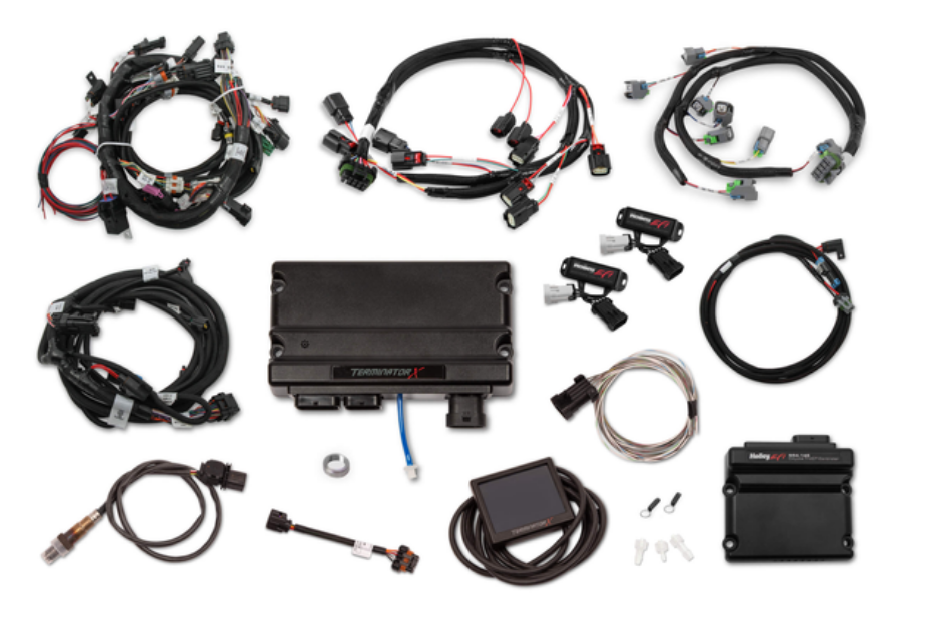
Swapping an LS engine into your vehicle opens up new possibilities for power and performance, but proper wiring is what makes the system function correctly. An LS swap wiring harness connects every electrical component to the engine control unit (ECU), ensuring reliable communication between sensors, injectors, and ignition systems. Selecting the right harness requires understanding your engine generation, throttle setup, and transmission configuration.
PSI Conversion specializes in manufacturing standalone LS and LT wiring harnesses designed for GM Gen II, III, IV, and V engines. Each harness is made in the United States, uses brand-new Delphi connectors and TXL high-temperature wire, and is computer-tested for full circuit reliability.
This guide covers everything you need to know before purchasing an LS swap wiring harness, from compatibility and materials to installation considerations.
What an LS Swap Wiring Harness Does
An LS wiring harness connects the engine’s sensors, actuators, and fuel management systems to the ECU or PCM. The ECU uses this network to monitor inputs like crank position, throttle angle, and air intake data, then adjusts ignition timing and fuel delivery accordingly.
In simple terms, the harness is what enables modern LS engines to operate properly in older vehicles. Without it, the ECU cannot read sensor signals or control fuel injection, making engine operation impossible.
Each PSI Conversion harness is engineered for specific LS engine generations and comes ready to integrate into your vehicle’s electrical system.
Choosing the Right Harness for Your LS Swap
Selecting the correct harness begins with identifying your LS engine’s generation and components. Each LS generation has its own sensor types, connector shapes, and pin layouts. A mismatch between the harness and the engine will cause sensor misreads, failed startups, or ECU errors.
PSI Conversion provides more than 100 different harness configurations designed to fit specific GM LS and LT engines.
Understanding your setup ensures you get a harness that communicates correctly with your ECU and transmission.
Gen II (1992–1996 LT1/LT4)
Gen II engines, such as the LT1 and LT4, use drive-by-cable throttle systems with an oval two-blade throttle body and aluminum intake manifold. These engines rely on EV1 fuel injectors and mechanical throttle control. PSI Conversion’s Gen II harnesses include connections for both automatic and manual transmissions, ensuring compatibility with the 4L60E or T56 gearbox.
Gen III (1997–2007 LS1, LS6, Vortec)
Gen III LS engines introduced coil-on-plug ignition and electronic throttle options. They use a 24X crank reluctor wheel, black crank sensor, and cam sensor located at the rear of the engine.
PSI Conversion’s harnesses, like the HAR-G3CA and HAR-G3CM, fit these configurations and are available for both automatic and manual transmissions.
Because Gen III engines can use either drive-by-wire or drive-by-cable throttles, choosing the correct harness for your throttle system is essential.
Gen IV (2007–2014 LS2, LS3, LS7, LSA, L99)
Gen IV LS engines switched to a 58X crank reluctor wheel, a gray crank sensor, and a front-mounted cam sensor. They use EV6-style injectors and six-pin drive-by-wire throttle connectors.
PSI Conversion’s HAR-G4WA and HAR-G4WM harnesses are designed for these engines and available for both manual and automatic setups.
Gen IV harnesses ensure correct ECU communication with modern electronic throttle systems and updated fuel management components.
Gen V (2014–Present LT1, LT4, L83, L86)
Gen V LT engines introduced direct fuel injection and high-pressure fuel rails located beneath the intake manifold. These engines require a unique wiring configuration to manage injectors and high-pressure fuel pumps.
PSI Conversion’s HAR-LT1 and HAR-LT4 harnesses are available for both manual and automatic transmissions, offering full integration with direct-injection systems.
Key Features of a Reliable LS Harness
Not all harnesses are built the same. Reliability comes from using the right materials, construction methods, and quality testing. PSI Conversion’s harnesses are engineered to meet or exceed OEM specifications to ensure dependable performance for years of operation.
TXL High-Temperature Wire
Each PSI Conversion harness is made from TXL (Cross-Linked Polyethylene) wire, a high-temperature, abrasion-resistant material built to handle the heat and vibration inside an engine bay. This ensures the harness remains durable even in demanding conditions.
GM Delphi Connectors
Connectors are a common point of failure in cheaper harnesses. PSI Conversion uses only brand-new GM Delphi connectors rather than recycled or refurbished ones. These connectors ensure tight, corrosion-resistant electrical contact that maintains stable signal transmission over time.
Sonic-Welded Splices
All wire splices in PSI Conversion harnesses are sonic-welded, a process that bonds wire strands using ultrasonic energy. This method eliminates weak joints or solder fatigue and creates long-lasting electrical continuity throughout the harness.
100% Computer Quality Tested
Before shipping, every PSI Conversion harness is tested using Dynalab or Cirrus testing systems to confirm proper circuit continuity, resistance, and performance. This ensures that each wire, connector, and sensor lead functions as designed with no defects.
Throttle Systems: Drive-by-Wire vs. Drive-by-Cable
The LS platform uses two main throttle systems: drive-by-cable (DBC) and drive-by-wire (DBW). Selecting the correct harness depends on which system your engine uses.
Drive-by-cable setups use a physical cable to connect the pedal to the throttle body. These systems are mechanically simple and common in earlier LS generations.
Drive-by-wire setups rely on an electronic pedal and throttle body that communicate through sensors. PSI Conversion’s DBW harnesses include dedicated wiring for both the throttle actuator and pedal position sensor to ensure correct operation.
Because each system uses unique connectors and signals, it’s important to verify the throttle setup before purchasing a harness.
Transmission Compatibility
Transmission type directly affects which LS harness you need. Manual and automatic setups require different connectors for speed sensors, torque converter controls, and gear selection inputs.
PSI Conversion offers standalone harnesses configured for both manual transmissions like the T56/TR6060 and automatic transmissions such as the 4L60E, 4L80E, and 6L80E.
Matching your harness to the correct transmission ensures proper ECU control and smooth operation.
The Importance of Proper Grounding and Power Connections
Grounding and power distribution play major roles in harness reliability. Improper grounding causes erratic sensor readings and ECU malfunctions.
PSI Conversion harnesses include labeled grounding points and power feeds designed for direct connection to clean metal surfaces. Each ground must be attached to unpainted areas to ensure low resistance and consistent electrical flow.
Connecting grounds correctly prevents electrical interference and ensures steady voltage to all components.
Customization and Support
While PSI Conversion offers harnesses for most LS and LT engine configurations, some specialized setups may require custom solutions. The company provides small-volume custom harness production for unique applications and offers technical support for installation questions.
Customers can reach PSI Conversion’s support team by phone during business hours or through email 24/7 for installation guidance. Each representative has extensive knowledge of GM EFI systems and LS conversions, making them a valuable resource for builders.
Fast Shipping and Availability
Many PSI Conversion harnesses are kept in stock, allowing most orders to ship within three days.
This fast turnaround helps builders complete their projects without long delays. Because inventory levels may vary, it’s recommended to confirm shipping timelines before ordering.
Final Thoughts
A reliable LS swap starts with the right wiring harness. The harness determines how well your engine communicates with sensors, injectors, and transmission controls. Choosing a correctly matched, high-quality harness prevents electrical problems and ensures the swap operates as intended.
Every PSI Conversion harness is made in the USA from GM-spec materials, including TXL high-temperature wire and Delphi connectors. Each one is sonic-welded, computer-tested, and configured for precise fitment across all LS and LT engine generations.
Whether you’re wiring a Gen III LS1 or a Gen V LT4, using a properly built harness ensures reliability, durability, and consistent performance.
FAQs
How do I identify which LS harness I need?
Check your engine’s generation and throttle system. Gen III engines use 24X crank reluctor wheels, while Gen IV engines use 58X. PSI Conversion offers harnesses designed specifically for each generation to ensure correct compatibility.
Are PSI Conversion harnesses plug-and-play?
Yes. Each harness is designed for direct installation, built to match OEM specifications, and computer-tested for proper circuit performance before shipping.
Can I modify a PSI Conversion harness?
Modifying is not recommended. Altering the harness may cause electrical faults or interfere with ECU communication. PSI Conversion offers custom harness options for specialized applications.
What materials are used in PSI Conversion harnesses?
Each harness is built with TXL high-temperature wire and GM Delphi connectors, featuring sonic-welded splices to maintain long-term durability under heat and vibration.
Why is grounding important during installation?
Proper grounding ensures stable voltage across all sensors and systems. Poor grounding can cause intermittent failures, erratic sensor readings, and ECU malfunctions.